



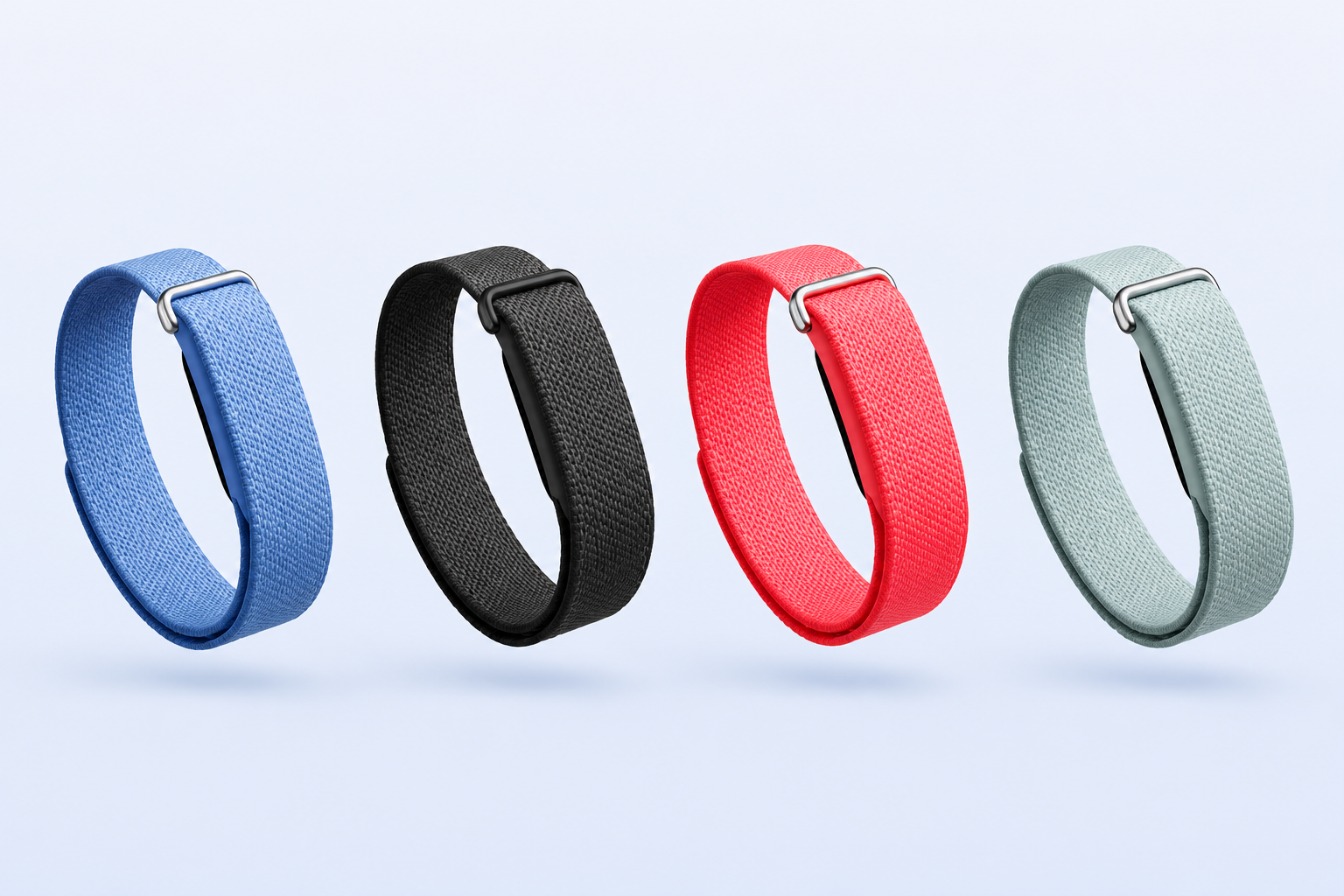
Google is redefining wearable technology with the launch of the new Fitbit Air, a lightweight screenless fitness tracker designed to expand AI-powered health coaching. Instead of competing directly with feature-heavy smartwatches, Google is moving toward a more minimal, distraction-free approach focused on continuous health tracking and intelligent wellness insights.
The launch marks one of Google’s biggest health-tech moves since acquiring Fitbit in 2021. Alongside the new wearable, the company is also introducing a redesigned Google Health ecosystem powered by Gemini AI, positioning Fitbit Air as more than just another fitness tracker.
At a time when consumers are becoming increasingly conscious about digital overload, Google’s strategy appears to focus on “ambient health tracking”, technology that works quietly in the background without constantly demanding attention.
What Is Google Fitbit Air?
Fitbit Air is Google’s latest wearable device aimed at users who want health monitoring without the distractions of notifications, apps, or screens.
Unlike traditional smartwatches, Fitbit Air does not include a display. Instead, the device focuses entirely on passive health tracking while syncing insights directly to the Google Health app.
The wearable features:
- 24/7 heart-rate monitoring
- Sleep tracking
- SpO2 monitoring
- Heart rhythm alerts
- Skin temperature sensing
- Heart rate variability tracking
- Automatic workout detection
Google says the tracker is designed to be lightweight, comfortable, and wearable throughout the day and night. Reports suggest the device weighs only around 12 grams with the band attached, making it one of the lightest trackers in Google’s lineup.
The company is clearly targeting consumers who find modern smartwatches bulky, expensive, or overly distracting.
Why Google Removed the Screen
The most surprising aspect of Fitbit Air is its screenless design.
While most wearable companies continue adding larger displays and app-like functionality, Google is moving in the opposite direction.
According to Google, the screenless approach is intended to help users “live in the moment” while still benefiting from advanced health insights.
This reflects a growing trend toward digital minimalism.
Many consumers now want:
- Health tracking without constant notifications
- Better battery life
- Less screen dependency
- Simpler wellness experiences
Instead of checking metrics directly on the wrist, users can review their health insights later through the Google Health app.
The strategy resembles devices that focus heavily on passive monitoring rather than smartwatch-style interactions. However, Google is attempting to differentiate itself through affordability and AI integration.
AI-Powered Health Coaching Takes Center Stage
The launch of Fitbit Air is closely tied to Google’s broader AI health ambitions.
At the center of this strategy is Google Health Coach, a Gemini-powered AI wellness assistant integrated into the new Google Health platform.
The AI coach is designed to provide:
- Personalized workout suggestions
- Recovery insights
- Sleep recommendations
- Meal analysis
- Wellness guidance
- Activity summaries
- Adaptive fitness plans
Rather than simply displaying raw fitness data, Google wants the AI system to interpret health information and provide meaningful recommendations.
For example, users may ask questions such as:
- Why was my sleep quality poor this week?
- Why am I feeling more fatigued after workouts?
- How can I improve recovery time?
The AI system then analyzes biometric and behavioral data to generate personalized responses.
This represents a major shift from traditional fitness tracking toward predictive and conversational health assistance.
The Bigger Transformation: Fitbit Becomes Google Health
The Fitbit Air launch is not only about hardware. It also signals the evolution of Fitbit into a broader Google Health ecosystem.
Google is rebranding the Fitbit app into the Google Health app, creating a centralized platform for health and wellness data.
The redesigned app combines:
- Fitbit tracking features
- AI-powered coaching
- Sleep analysis
- Health insights
- Cross-device wellness tracking
Google is also positioning the platform as more open and device-friendly. Reports suggest future compatibility with additional wearables and health platforms beyond Fitbit devices alone.
This indicates that Google’s long-term goal may not be limited to selling wearables. Instead, the company appears focused on building a large AI-driven health ecosystem.
Competing Against Smartwatches and Fitness Wearables
Industry analysts are already comparing Fitbit Air to modern recovery-focused fitness wearables popular among athletes and performance-focused users.
The similarities are clear:
- Screenless design
- Continuous monitoring
- Passive health tracking
- Recovery-focused insights
However, Google is approaching the market differently.
Fitbit Air launches at an affordable price point, making it significantly cheaper than many premium health trackers.
Additionally, Google offers optional AI coaching subscriptions rather than locking core functionality behind mandatory memberships.
This pricing strategy could make Fitbit Air appealing to mainstream users who want advanced health tracking without high recurring costs.
At the same time, Fitbit Air also competes indirectly with smartwatches by offering:
- Longer battery life
- Lightweight comfort
- Reduced distractions
- Simplified wellness tracking
For users overwhelmed by smartwatch notifications, the minimalist approach may feel refreshing.
Consumer Reactions Are Mixed
Although many users appreciate the minimalist concept, reactions online have been divided.
Some consumers praise the shift toward distraction-free wellness technology and growing interest in “calm tech”, devices that provide value without demanding constant attention.
Others, however, remain skeptical.
Some longtime Fitbit users are disappointed by:
- The removal of familiar Fitbit features
- Increased AI integration
- Subscription-based coaching
- Concerns about health data privacy
A number of users also question whether consumers truly want AI-driven wellness advice from technology companies.
Privacy remains one of the biggest concerns.
Google has stated that health data will not be used for advertising purposes and emphasizes privacy-focused controls within the ecosystem.
Still, skepticism around AI and personal health data continues to influence public opinion.
Why This Launch Matters for the Wearable Industry
The launch of Fitbit Air reflects a larger shift happening across the wearable technology industry.
For years, smartwatches focused on adding more features:
- Larger displays
- Notifications
- Messaging apps
- Mobile payments
- Entertainment features
However, many consumers now experience “notification fatigue.”
Google appears to recognize this change.
Instead of creating another smartwatch, Fitbit Air focuses on invisible wellness technology, wearables designed to fade into daily life while continuously gathering useful health insights.
This strategy could influence future wearable trends in several ways:
1. Screenless Wearables May Become More Popular
Consumers increasingly value simplicity and battery efficiency. Minimalist wearables may attract users who prioritize health tracking over digital interaction.
2. AI Will Become Central to Health Tech
Raw fitness data alone is no longer enough. Companies now compete based on how effectively they interpret and personalize insights.
3. Health Ecosystems Will Matter More Than Devices
The future competition may revolve less around hardware specifications and more around integrated wellness platforms powered by AI.
The Rise of Ambient Health Tracking
One of the most important ideas behind Fitbit Air is “ambient health tracking.”
This concept refers to health monitoring that happens quietly in the background without interrupting daily life.
Instead of demanding user attention, devices collect information continuously and provide actionable insights only when needed.
This shift could make wearables feel less intrusive and more sustainable for long-term use.
Google’s strategy suggests that future health devices may prioritize:
- Passive monitoring
- Context-aware recommendations
- AI interpretation
- Seamless ecosystem integration
- Reduced screen dependency
If successful, Fitbit Air could represent the beginning of a broader transition in consumer health technology.
Conclusion
With Fitbit Air, Google is moving wearable technology in a different direction.
Rather than building another feature-packed smartwatch, the company is focusing on simplicity, passive tracking, and AI-powered wellness guidance. The screenless design reflects growing consumer interest in less distracting technology, while the integration of Gemini AI positions Google at the center of the emerging AI health market.
At the same time, the launch raises important questions about privacy, AI reliability, and the future role of subscription-based health ecosystems.
Whether Fitbit Air becomes a mainstream success or a niche product, one thing is clear: Google is no longer treating Fitbit as just a fitness tracker brand. It is transforming it into a larger AI-powered health platform designed for the future of digital wellness.